
Acclimatize
Repeated heat exposure can improve thermoregulatory responses. Increase exposure progressively rather than jumping directly into full load.
Performance
Hot conditions and heavy sweating raise fluid and electrolyte losses while also increasing the need for cooling, pacing and access to safe drinking water.
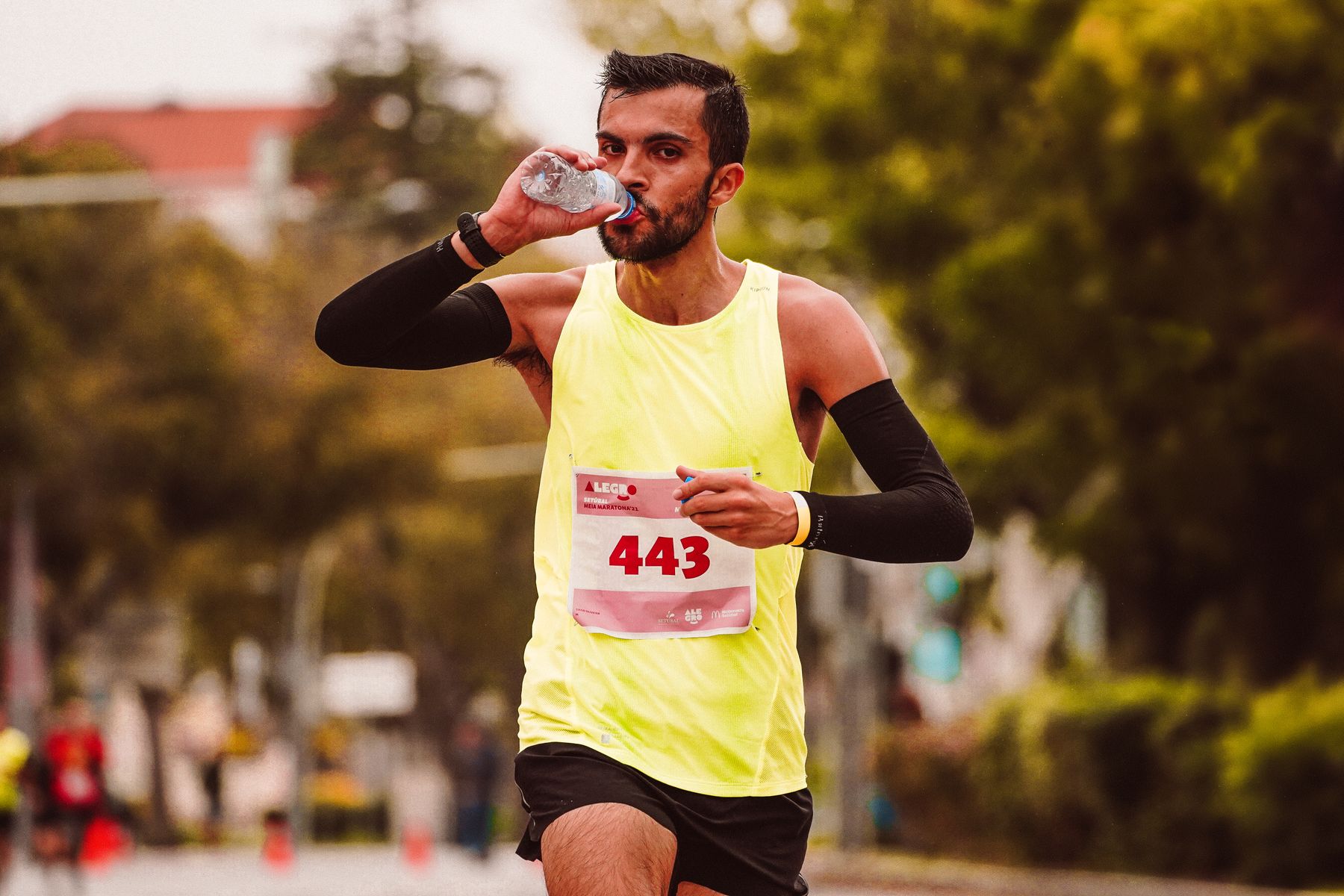
Why heat changes the plan
Evaporating sweat is one of the body's main cooling mechanisms during exercise. In hot environments, especially with high work rates, sweat losses can accumulate quickly and make access to fluid more important.
Recent evidence also shows that heat and dehydration can alter substrate use during prolonged endurance work. These physiological effects do not create one universal prescription, but they reinforce the value of planning before the session starts.

Heat and electrolyte losses
Sweat losses vary across athletes, sessions and environments. Plan fluid access, cooling and electrolyte intake around the duration and conditions rather than a single universal target.
Longer hot sessions can make sodium-containing drinks more relevant, while total fluid, food, health conditions and pacing still matter.
Heat strategy
Repeated heat exposure can improve thermoregulatory responses. Increase exposure progressively rather than jumping directly into full load.
When possible, move demanding sessions away from the hottest part of the day.
Know where water and electrolyte drinks will be available before the session begins.
Confusion, collapse, severe weakness, loss of coordination or other concerning heat-illness signs require immediate action, not more training.
Best Hydrate in the heat
Best Hydrate provides water, glucose and listed electrolyte sources when prepared as directed. This can make it a practical beverage option during prolonged sweating.
Use an electrolyte-containing drink in the context of the session, conditions, sweat and your established routine. Longer, hotter and higher-sweat sessions increase the importance of planning fluid and electrolyte access.
High sweat day
Use the current label dilution and carry enough safe fluid for the conditions and route.
Heat safety requires environmental controls, pacing and emergency awareness in addition to fluid planning.
LOW-SUGAR HYDRATION
~1 g of sugar per 100 mL prepared. Best Hydrate keeps a small amount of purposeful glucose in the formula for sodium-glucose transport while avoiding a conventional high-sugar load.
Purposeful glucose. Not zero. Not overloaded.
More context
Hot environments and heavy sweating can increase fluid and electrolyte losses quickly, but individual sweat rates vary widely. Practical planning includes acclimatization, pacing, cooling, access to water and an appropriate drinking strategy, with extra caution when symptoms suggest heat illness.
 Best HydrateThe Science of Hydration
Science-first oral hydration across performance, daily, medical-development and humanitarian settings.
Shop Best Hydrate ✓ Free & Fast Delivery