
Where is fluid available?
Map aid stations, carried bottles, refill points and the time between them.
Performance
As duration rises, hydration, carbohydrate availability, electrolytes and logistics become one integrated endurance plan.
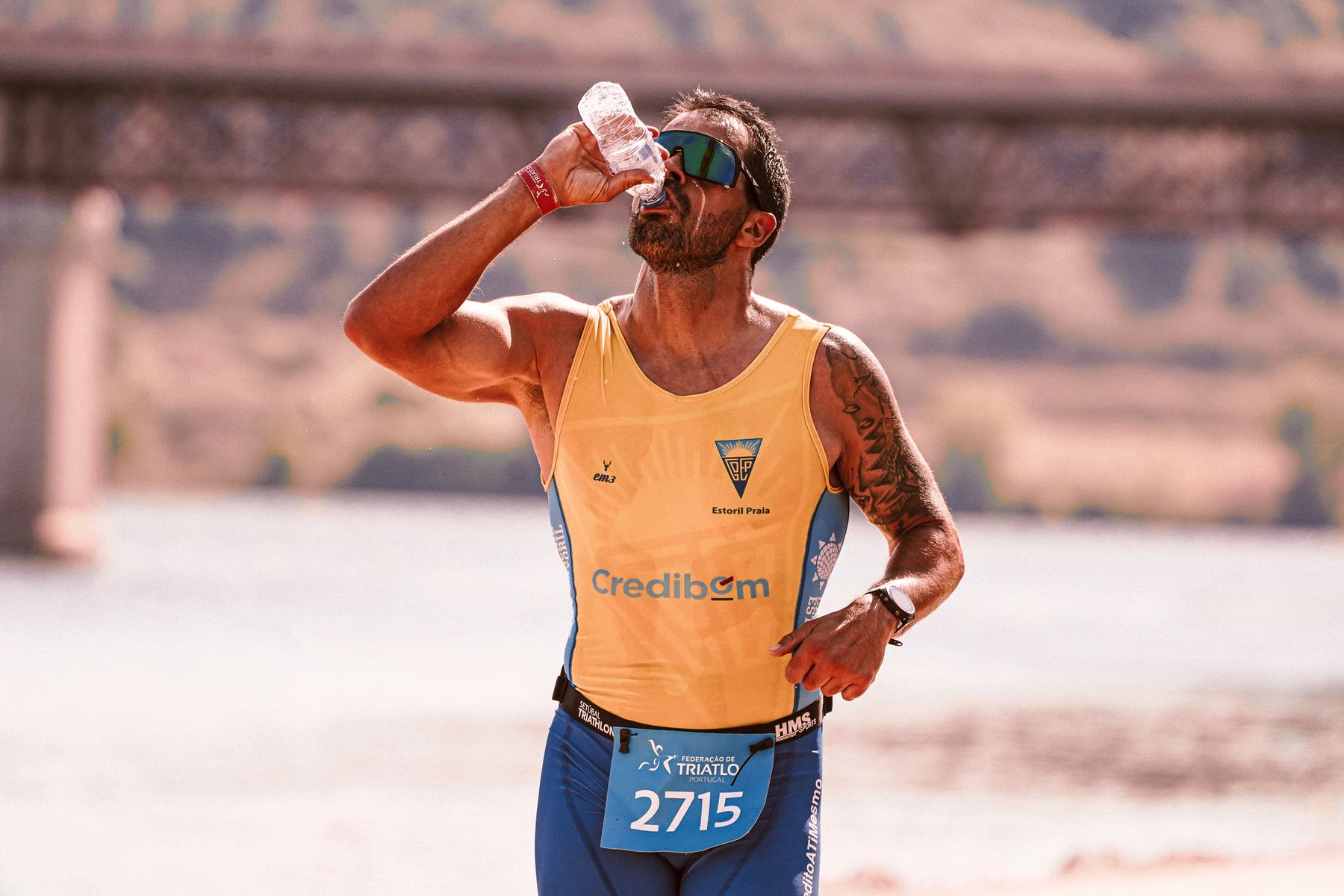
Long-duration exercise
During prolonged exercise, the athlete has to manage several moving targets at once: body heat, sweat loss, thirst, carbohydrate use, gastrointestinal tolerance and access to aid stations or carried supplies.
That is why a strategy that works for a 40-minute session may be inadequate for a multi-hour event. As duration increases, carbohydrate-electrolyte drinks can become more useful, but they still need to fit into the athlete's complete fueling plan.
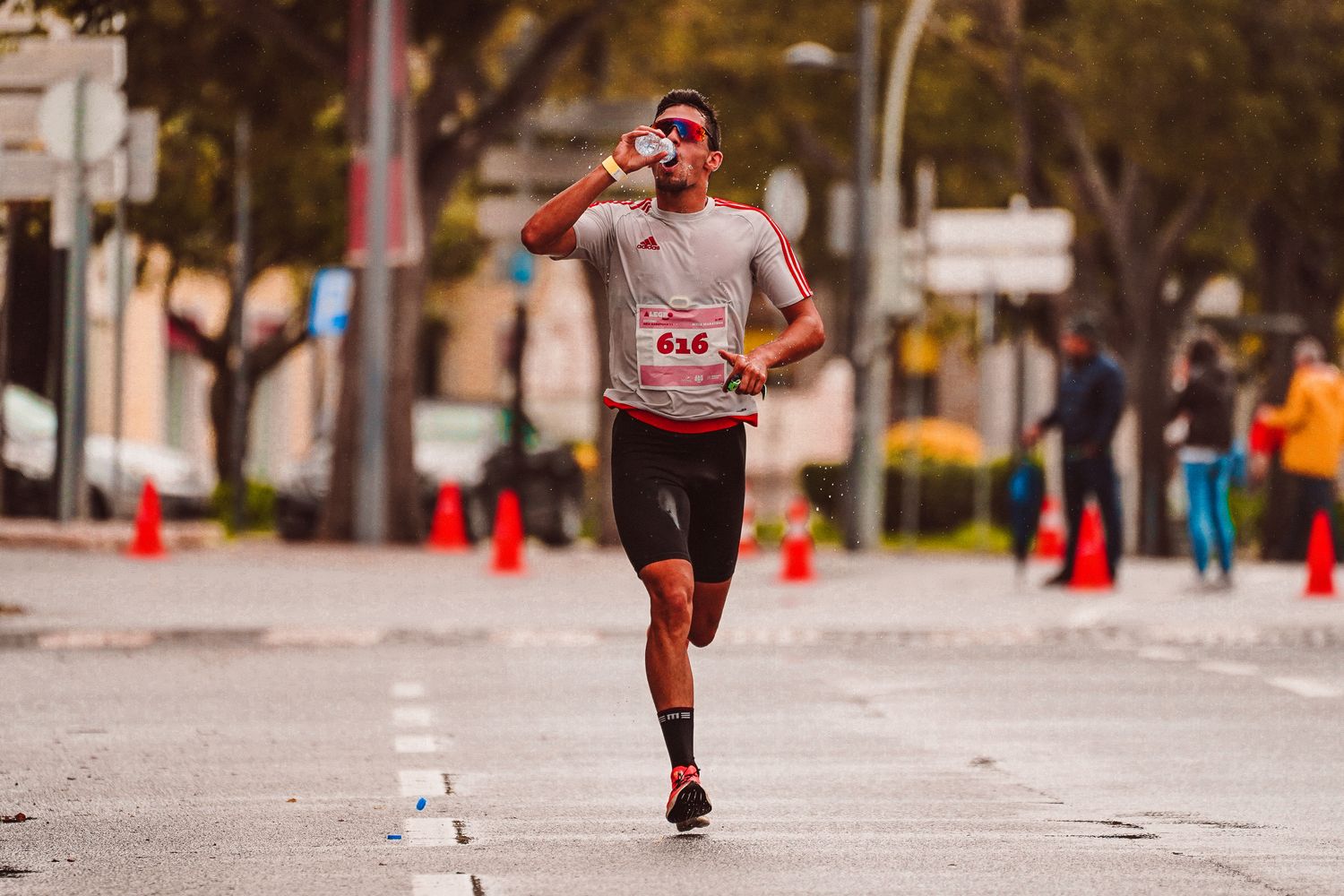
Individual losses
Sweat losses can change with pace, body size, acclimatization, clothing and weather. A useful training exercise is to compare body mass before and after representative long sessions while recording fluid intake, then use the pattern to improve planning.
The target is not necessarily to replace every millilitre while moving. The practical objective is to avoid a deficit or excess that meaningfully compromises comfort, safety or performance.
Endurance plan
Map aid stations, carried bottles, refill points and the time between them.
Use representative training sessions, not a single test in a different climate.
Drinks, gels and food may all contribute. Do not assume a hydration product alone covers endurance fueling needs.
Concentration, volume, timing and total carbohydrate load can affect gastrointestinal comfort.
Best Hydrate in endurance
Best Hydrate provides a prepared source of fluid, glucose and listed electrolytes when mixed according to the current label. In endurance settings, that can be one component of an athlete's intake strategy.
The product should not be framed as a complete endurance fuel. Longer events commonly require carbohydrate intake beyond what a lightly sweetened hydration formula is intended to provide, and sodium needs can vary widely between athletes.
Next links
Adjust planning when heat and sweat rate rise.
Heat & High Sweat →Restore fluid and nutrition when the event ends.
Recovery →Understand the physiology behind sodium-glucose cotransport.
Explore the mechanism →Long day ahead?
Simple preparation and predictable taste matter when the event is long enough that decision-making gets harder.
Endurance nutrition is highly individual. Product use should remain consistent with the current label and the athlete's broader fueling plan.
LOW-SUGAR HYDRATION
~1 g of sugar per 100 mL prepared. Best Hydrate keeps a small amount of purposeful glucose in the formula for sodium-glucose transport while avoiding a conventional high-sugar load.
Purposeful glucose. Not zero. Not overloaded.
More context
As duration grows, athletes have more time to accumulate fluid and sodium losses and more opportunities to either underdrink or overdrink. A useful endurance plan considers the environment, personal tolerance, fuel, fluid access and recovery rather than relying on a single universal target.
 Best HydrateThe Science of Hydration
Science-first oral hydration across performance, daily, medical-development and humanitarian settings.
Shop Best Hydrate ✓ Free & Fast Delivery